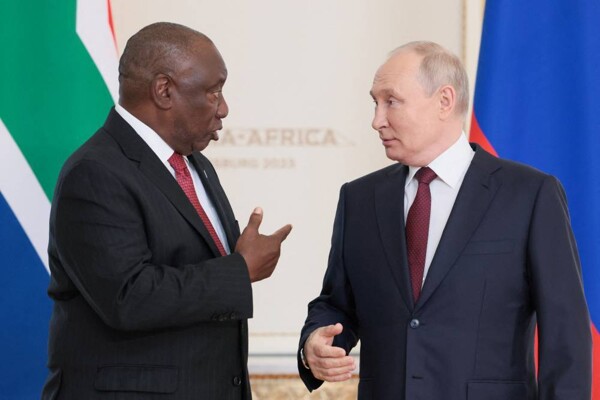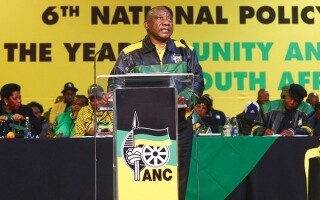
The belief that democracy could work for the poor has been destroyed in South Africa, replaced by derision and boredom, and now by a longing for strong men. The rest of the country, much of it run by the African National Congress (ANC), is sinking into debt and corruption. A lack of water, crime, unemployment, and the collapse of services have turned daily life into a struggle for survival. Problems like poverty and violence have worsened, and the dream of freedom has turned into despair and frustration—the two new words that have replaced the original promise of democracy. Instead, the state seized power, not by the working class, but by the African National Congress and its followers, with the result that the few have benefited at the expense of the many. As the South African writer and thinker William Gumede noted, his country is «in this mess because people have repeatedly voted for people with a track record of failure, corruption, and incompetence,» and this is the tragic legacy of the crimes of apartheid. For a long time, voting for any political party other than the African National Congress was unthinkable. It seems that highlighting the incompetence in the ANC today is considered a «betrayal». The inescapable truth is that the ANC has become a machine for patronage instead of progress; the party's boasted «deployment policy» has replaced merit with loyalty, ensuring that the least competent often hold the most important positions. Overseeing this dramatic decline has been the African National Congress, which was once led by Nelson Mandela. According to a recent survey by the Afrobarometer institute, published in the British newspaper The Times, nearly half of South Africa's population now prefers «military rule» to «democracy,» and seven out of ten people are dissatisfied with how democracy is working. It is a shocking but not surprising admission, as the government cannot provide electricity, jobs, or water, yet it has created a fertile environment for widespread corruption and bribery. The ANC's biggest crisis is not material, but moral. Thirty years after the fall of apartheid, democracy in South Africa is hanging by a thread, stripped of its values and principles. Even when Ramaphosa dared to praise municipalities run by the opposition, it angered his party members. Perhaps the crowd, seasoned in ANC culture, misunderstood his words and took it as an invitation to a feast. It was a speech the audience paid little attention to, no matter how passionate. The government cannot provide electricity, jobs, or water and has created a fertile environment for corruption. The party that once freed the people has made them expect so little that over time, they have come to prefer handing power to the military. Last month, South African President and ANC leader Cyril Ramaphosa gathered 6,000 party council members in Johannesburg to publicly berate them. The consequences of misplaced trust in the ANC have been dire and are visible everywhere. What was once the «National Democratic Revolution»—the first phase of liberation—has turned into what South Africans bitterly call «the long walk to the dinner table,» an endless procession of «comrades in struggle» who moved from protest and struggle platforms into «procurement offices.» The second phase of the revolution, which was supposed to be socialism, never happened. Ramaphosa warned: «Deliver services or step aside.» He shouted: «The looting must end today.» Of South Africa's 257 municipalities, only 13% received a clean audit certificate in 2024.