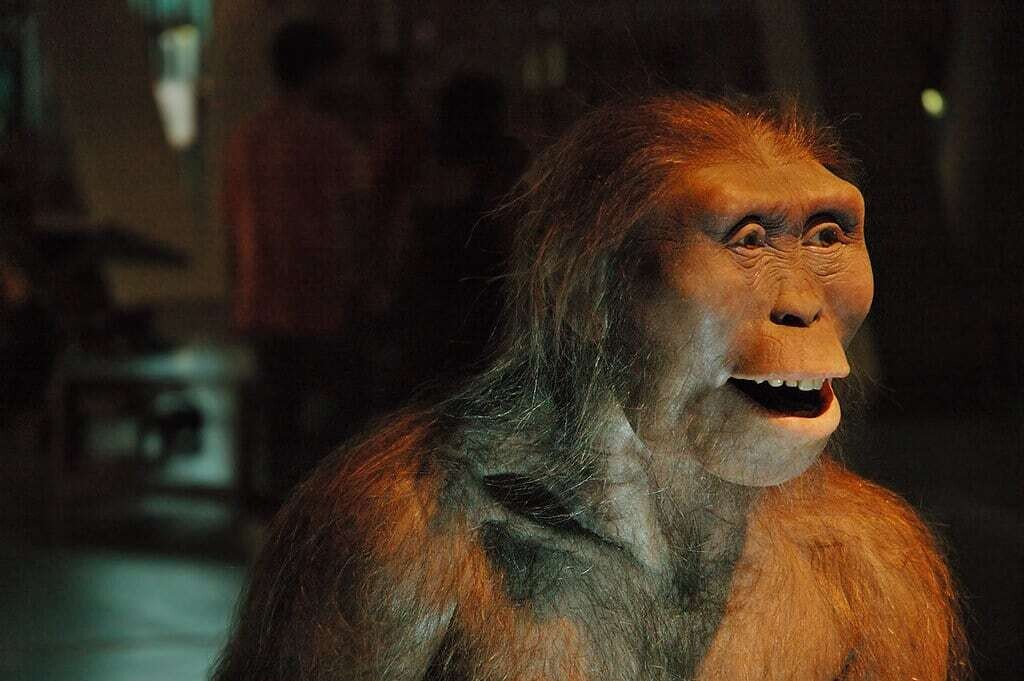
A recent study published in the scientific journal Science details that the human ancestors of the genus Australopithecus, who lived in southern Africa between 3.7 and 3.3 million years ago, primarily fed on plants. The analysis of nitrogen isotopes in the fossilized dental enamel of seven Australopithecus individuals revealed that these early hominids consumed plants with no significant signs of meat consumption.
According to the research, the consumption of animal resources, especially meat, is considered a crucial point in human evolution. Animal resources are rich in calories, nutrients, and energy, which are essential for fueling our brains, which require a significant amount of energy. Before mastering fire, meat consumption in the African savannas would have been crucial for brain expansion, a milestone in human evolution.
Tina Lüdecke, a geochemist at the Max Planck Institute for Chemistry and lead author of the study, emphasizes the importance of understanding our ancestors' dietary habits to better understand their biology, behavior, and evolution. The study reveals that Australopithecus primarily fed on plants, raising new questions about the evolution of animal resource consumption in early hominids.
The team of researchers used stable isotope data from the dental enamel of Australopithecus found in the Sterkfontein cave to conclude about their vegetarian diet. The study provides new evidence about the feeding ecology of these primates and highlights the innovative method used to directly reconstruct the trophic behavior of early hominids.
The nitrogen isotope ratios in the dental enamel indicated that Australopithecus had a variable but primarily or exclusively plant-based diet. This contrasts with later species that hunted large mammals, suggesting that meat consumption may not have been an adequate dietary strategy for Australopithecus due to competition with other carnivores and efficiency in obtaining plant resources.
The study highlights the importance of dental enamel in reconstructing the diet of prehistoric hominids and notes that the incorporation of animal resources into the diet has been a significant event in human evolution. Despite the scarcity of direct evidence, the findings demonstrate the value of analyzing stable isotopes in dental enamel to better understand the evolution of our ancestors and their relationship with animal resources.